


The Visual Heartbeat of Your Brand’s Identity
A logo is often the first impression that people have of a brand. As the visual representation of a company’s identity, a logo has the power to convey a brand’s message and values. Therefore, creating an effective logo is crucial to establishing a strong brand identity and standing out in a competitive market. In this guide, we will walk you through the process of logo design, from concept to execution, offering expert insights and practical tips to help you create memorable and versatile logos that stand the test of time.
1. Understanding the Brand
The first step in creating a logo is understanding the brand you are designing for. This includes knowing the company’s mission, vision, target audience, and unique selling points. Conducting thorough research on the brand and its competitors will help you gain a clear understanding of what sets it apart and what message it wants to convey through its logo.
2. Developing a Design Brief
Once you have a deep understanding of the brand, it’s time to create a design brief. This document should outline the project’s objectives, target audience, and any specific requirements or constraints. A well-defined design brief will serve as a roadmap for your creative process, ensuring that your logo design aligns with the brand’s goals and values.
3. Sketching and Brainstorming
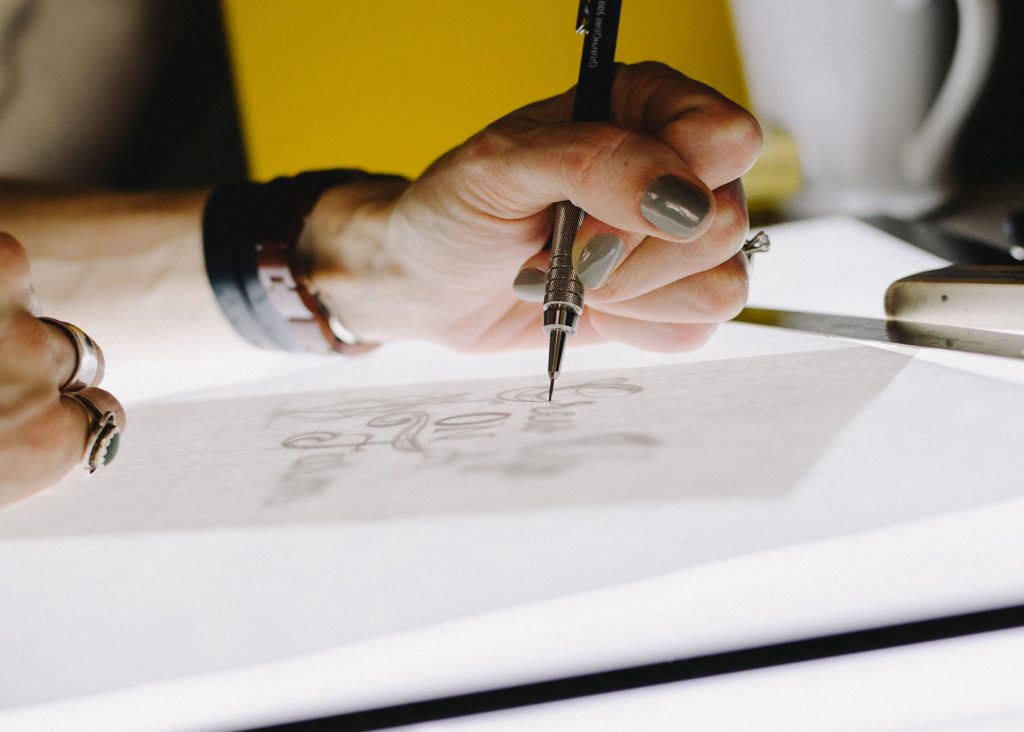
Before diving into digital design tools, start with sketching your ideas on paper. This process allows you to explore different concepts, shapes, and compositions more freely. Don’t be afraid to think outside the box and generate as many ideas as possible. At this stage, quantity is more important than quality, as it helps to spark creativity and discover unique solutions.
4. Refining and Selecting Concepts
After you have generated a wide range of concepts, it’s time to narrow down your options. Evaluate each idea based on its relevance to the brand, uniqueness, and adaptability. Choose the most promising concepts and refine them further. Consider how they will look in different sizes, colors, and applications. Keep in mind that a great logo should be simple, versatile, and timeless.
5. Creating Digital Mockups
Once you have selected and refined your concepts, it’s time to create digital mockups. Use design software such as Adobe Illustrator or Sketch to develop vector-based designs. This ensures that your logo can be scaled and reproduced without losing quality. At this stage, focus on the finer details such as line thickness, color choices, and typography. Make sure your logo is legible and visually appealing at various sizes and resolutions.
6. Testing and Feedback
Before finalizing your logo, it’s essential to gather feedback from various sources. This can include the client, colleagues, friends, or even members of the target audience. Feedback will help you identify any potential issues and gain new perspectives on your design. Use this input to make any necessary adjustments and refinements to your logo.
7. Delivering the Final Logo
Once your logo has been tested and refined, it’s time to deliver the final product. Be sure to provide your client with all the necessary file formats, such as .AI, .EPS, .PNG, and .JPEG, as well as a style guide that outlines the correct usage of the logo. This includes specifications for color, size, spacing, and any accompanying typography or design elements. Providing a comprehensive style guide ensures that the logo maintains its integrity and consistency across various applications.
8. Maintaining Versatility and Adaptability
A great logo should be able to evolve with the brand while maintaining its essence. Keep this in mind throughout the design process, making sure that your logo can be easily adapted to different formats, platforms, and contexts. This includes ensuring that it works well in both print and digital media, as well as in black and white or color variations. Additionally, consider creating different versions of the logo, such as horizontal or vertical layouts, to accommodate various use cases.
9. Protecting the Logo
To protect the brand’s identity and the integrity of the logo, it’s essential to register it as a trademark. This will grant the brand exclusive rights to use the logo and prevent unauthorized use or imitation by competitors. Consult with a legal professional to guide you through the trademark registration process and ensure that your logo is adequately protected.
10. Monitoring and Updating the Logo
As the brand evolves over time, it’s crucial to keep the logo up-to-date and relevant. Regularly evaluate the logo’s effectiveness and make any necessary updates to ensure it continues to resonate with the target audience and accurately reflects the brand’s values. However, be cautious not to make changes too frequently or drastically, as this can lead to confusion and dilute brand recognition.
Conclusion
Creating an effective logo is a multifaceted process that requires research, creativity, and attention to detail. By following the steps outlined in this guide, you will be better equipped to design a logo that captures the essence of the brand, stands out in a competitive market, and stands the test of time. Remember that a successful logo not only communicates the brand’s message but also serves as a powerful visual identifier that fosters trust and recognition among consumers. So, invest the time and effort needed to create a logo that truly represents the brand’s unique identity and paves the way for lasting success.
